
Overview of Dental Hygiene Board Exams
Dental hygiene board exams assess knowledge across national, regional, and state levels. They cover oral anatomy, periodontics, disease prevention, patient care, and emerging techniques. Exams are paper‑and‑pencil, featuring detailed answer explanations and full‑length simulations. It tests critical skill
Content Covered in Exams
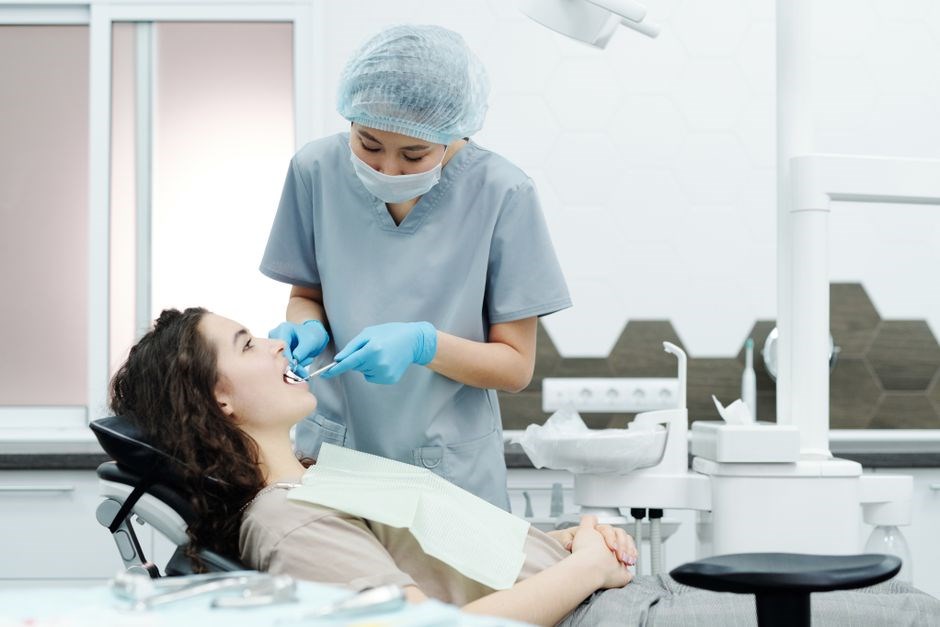
Exam content spans foundational oral anatomy, periodontal assessment, and advanced hygiene techniques. Candidates must master tooth morphology, enamel and dentin structure, and the functional biomechanics of the masticatory system. Periodontics sections test knowledge of gingival health, plaque control, scaling, root planing, and the use of adjunctive therapies such as laser and ultrasonic instrumentation. Oral health promotion focuses on risk assessment, preventive counseling, and patient education strategies tailored to diverse populations. Clinical patient care modules cover comprehensive assessment, treatment planning, and the documentation of hygiene interventions. Dental procedures include prophylaxis, fluoride application, sealants, and the management of common restorative materials. The curriculum also addresses emerging technologies, such as digital radiography interpretation, CAD/CAM applications, and evidence‑based practice guidelines. Each topic is reinforced with detailed answer explanations and full‑length simulated exams that incorporate color radiographs and clinical images to mirror real‑world scenarios. Mastery of these areas ensures readiness for the paper‑and‑pencil format of national, regional, and state board examinations.
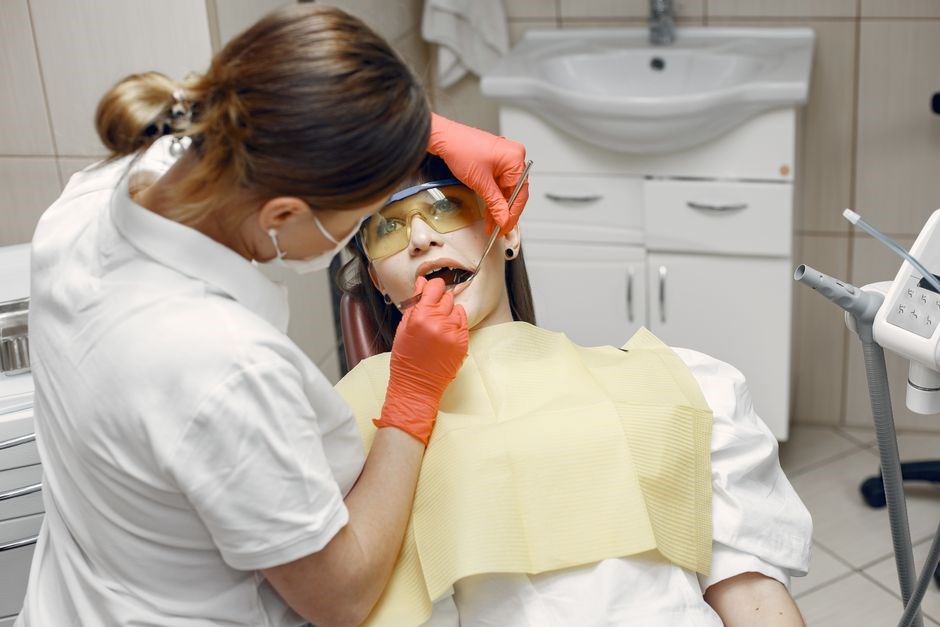
Examiners test critical thinking with questions that integrate clinical knowledge, ethics, and guidelines. The format includes multiple‑choice items, short‑answer prompts, and case‑analysis tasks reflecting practice, ensuring candidates are ready for professional challenges.
Periodontics Topics
Periodontics is a cornerstone of dental hygiene board exams, requiring a deep understanding of gingival health, periodontal disease pathogenesis, and evidence‑based treatment protocols. Candidates must master plaque‑induced gingivitis, the transition to periodontitis, and the clinical staging and grading system defined by the 2017 World Workshop. Radiographic interpretation is critical: students should identify bone loss patterns, furcation involvement, and periapical pathology on bite‑wing and panoramic images. Scaling and root planing (SRP) techniques, including ultrasonic and manual instrumentation, are examined, as are the indications for adjunctive therapies such as chlorhexidine rinses, local antimicrobials, and laser therapy. Surgical options—flap surgery, guided tissue regeneration, and bone grafting—are discussed, with emphasis on patient selection and postoperative care. Preventive strategies such as interdental cleaning instruction, fluoride varnish application, and risk assessment for systemic conditions (e.g., diabetes, smoking) are integral. The curriculum also covers maintenance protocols, recall intervals, and the role of the hygienist in monitoring periodontal stability. Finally, ethical considerations, informed consent, and documentation standards are evaluated to ensure comprehensive professional practice. Students should also be proficient in interpreting periodontal charting data, calculating probing depth averages, and applying latest consensus on intervention thresholds, ensuring evidence‑based decision, making.
Oral Health Promotion
Effective oral health promotion is essential for preventing disease and improving quality of life. It begins with comprehensive risk assessment, identifying factors such as diet, tobacco use, socioeconomic status, and medical conditions that influence oral health. Hygienists develop individualized education plans that emphasize proper brushing and flossing techniques, use of fluoride products, and the importance of regular dental visits. Community outreach programs—school screenings, workplace seminars, public health campaigns—extend these messages beyond the clinic. Evidence‑based counseling addresses dietary habits, encouraging reduced sugar intake and balanced nutrition to support enamel integrity. Tobacco cessation interventions, including motivational interviewing and referral to cessation resources, are integral. The use of visual aids, such as color radiographs and before‑and‑after photos, reinforces learning. Digital tools—mobile apps, social media, and telehealth platforms—provide ongoing support and reminders. Cultural competence ensures that materials are accessible and respectful of diverse populations. Interdisciplinary collaboration with physicians, dietitians, pharmacists enhances care. Policy advocacy for fluoridated water, school lunch programs, insurance coverage supports preventive efforts. Research evidence shows that early intervention reduces dental caries prevalence by up to 30%. Health literacy initiatives tailor communication to varying literacy levels, using plain language and visual aids. Motivational interviewing techniques empower patients to set health goals. By partnering with schools and local governments, hygienists can implement sealant programs and oral health literacy workshops that reach underserved populations. This holistic approach aligns with national oral health objectives. Success!!!
Case Studies with Radiographs
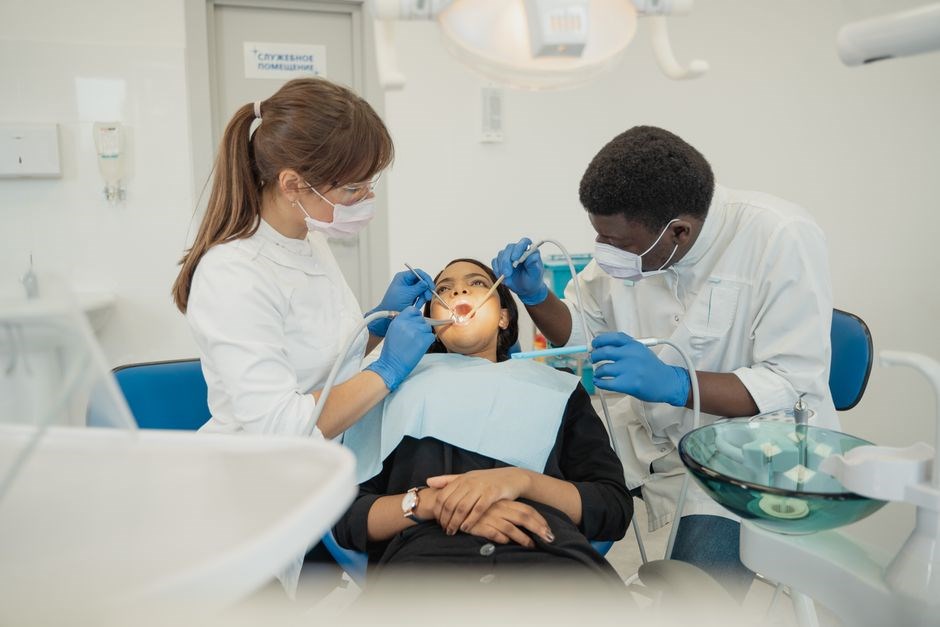
Case studies with radiographs are a cornerstone of the dental hygiene board exam, offering students a realistic, evidence‑based context to apply clinical reasoning. Each case presents a patient history, intra‑oral findings, and a series of color radiographs—periapical, bite‑wing, and panoramic—highlighting pathology such as caries, periodontal bone loss, and restorative complications. Students must interpret the images, identify diagnostic clues, and formulate a comprehensive treatment plan that balances preventive measures, restorative interventions, and referral pathways. The exam emphasizes the ability to correlate radiographic findings with clinical signs, assess risk factors, and prioritize care. For instance, a periapical radiograph revealing a radiolucent lesion adjacent to a root tip requires differentiation between a cyst and a granuloma, guiding the hygienist toward appropriate referral or intervention. Bite‑wing images help detect interproximal caries and assess the integrity of existing restorations, while panoramic scans provide a global view of occlusal relationships and potential impactions. Case studies also test knowledge of radiation safety protocols, ensuring hygienists understand exposure limits and protective measures. By integrating these visual tools, the exam fosters critical thinking, diagnostic accuracy, and patient‑centered decision making, mirroring real‑world practice scenarios These case studies sharpen precision and improve patient outcomes
Study Plan Structure
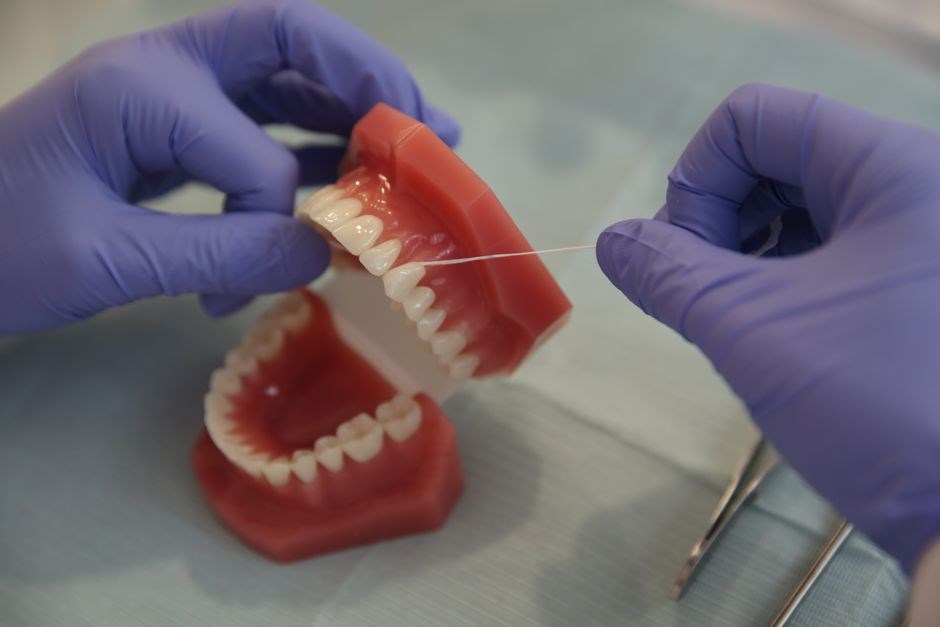
A structured study plan outlines objectives, resource allocation, and assessment checkpoints. It integrates review modules, spaced repetition, ensuring coverage of anatomy, pathology, and patient management. Consistent tracking promotes confidence and exam readiness. and patient education. and interdisciplinary team!!
12-Week Study Schedule
Week 1–2: Foundations—oral anatomy, basic hygiene techniques, and patient assessment protocols. Review lecture notes, flashcards, and practice quizzes to solidify core concepts. Allocate 3–4 hours daily, focusing on high‑yield topics.
Week 3–4: Periodontics—study gingival health, plaque control, and periodontal disease progression. Use case studies with radiographs to link theory to practice. Schedule 2–3 hours of active recall and 1 hour of video review.
Week 5–6: Oral Health Promotion—develop patient education plans, motivational interviewing skills, and preventive care strategies. Complete role‑play scenarios and peer‑review sessions. Dedicate 4 hours weekly to scenario analysis.
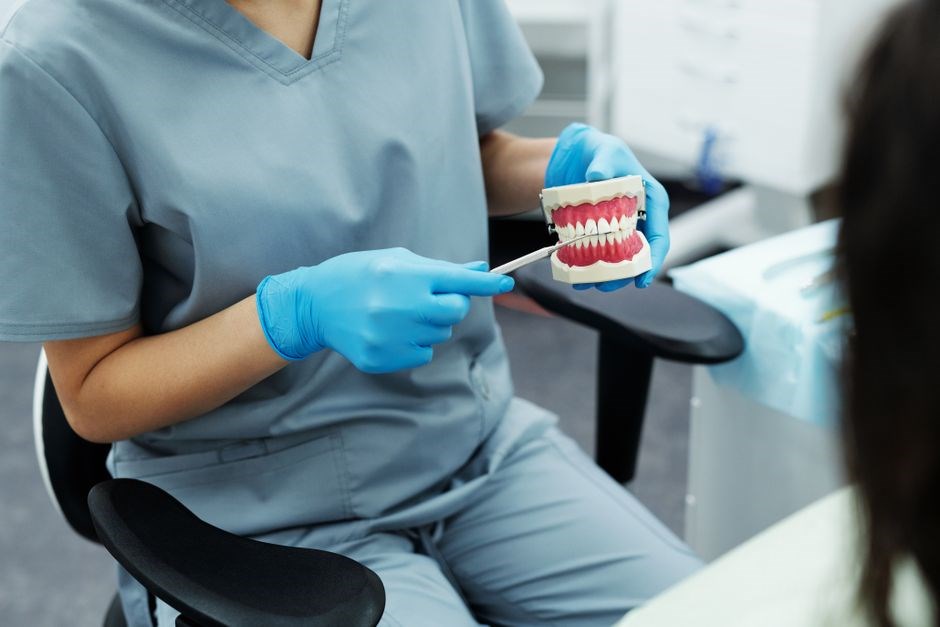
Week 7–8: Clinical Procedures—master scaling, root planing, and restorative hygiene techniques. Perform hands‑on simulations and review procedural checklists. Allocate 3 hours for simulation labs and 2 hours for self‑assessment.
Week 9–10: Integrated Review—combine all modules into comprehensive practice tests. Analyze results, identify weak areas, and revisit targeted content. Spend 5 hours on full‑length mock exams and 2 hours on detailed answer explanations.
Week 11–12: Exam Readiness—focus on time management, test‑taking strategies, and stress reduction. Conduct timed practice sessions, review key concepts, and engage in relaxation techniques. Allocate 4 hours for final review and 1 hour for mental preparation.
Daily self‑assessment quizzes and peer discussion groups reinforce retention and clarify misconceptions for exam readiness.
Practice Tests and Simulated Exams
Full‑length practice exams mirror the National Board Dental Hygiene Exam format, offering paper‑and‑pencil simulations that test knowledge in oral anatomy, periodontics, and patient care. Each test includes detailed answer explanations, allowing students to identify gaps and reinforce learning. Online platforms provide timed quizzes, video‑answer walkthroughs, and adaptive learning modules that adjust difficulty based on performance. Regular practice builds test‑taking stamina, improves time management, and reduces exam anxiety. Incorporating these simulations into a 12‑week study plan ensures consistent exposure to exam‑style questions and promotes mastery of key concepts.
Students should schedule at least two full‑length practice exams per week during the final four weeks of their study daily plan. Each simulated test should be timed exactly as the official exam, with a 3‑hour window, to develop pacing strategies. After completing a test, must review each answer in depth, noting misconceptions and revisiting the relevant textbook chapters. Many online platforms offer interactive quizzes that adapt to performance, providing instant feedback and targeted review modules. Additionally, video‑answer explanations allow students to see the reasoning behind correct responses, reinforcing critical thinking. Incorporating spaced repetition into daily study routines helps solidify retention of complex concepts such as periodontal disease progression and restorative hygiene protocols. Finally, maintaining a log of practice scores and progress charts enables students to track improvement trends and adjust study focus accordingly.
Key Dental Concepts Illustrated
Illustrative diagrams and case‑study examples highlight core topics such as plaque biofilm dynamics, periodontal pocket depth measurement, and the impact of systemic conditions on oral health. Visuals demonstrate the progression of gingivitis to periodontitis, emphasizing the role of mechanical plaque control and adjunctive antimicrobial therapy. Color radiographs illustrate root‑caries detection, enamel hypoplasia, and periapical pathology, reinforcing diagnostic criteria. Flowcharts depict the decision tree for selecting appropriate prophylaxis, scaling and root planing intervals, and referral thresholds for complex cases. Interactive modules show the biomechanics of tooth movement during orthodontic treatment, correlating periodontal support with appliance placement. These resources integrate evidence‑based guidelines, enabling students to apply theoretical knowledge to clinical scenarios and improve patient communication strategies. By integrating patient‑specific risk assessment tools, students learn to tailor preventive protocols that address unique factors such as smoking status, diabetes control, and genetic predispositions, thereby enhancing the effectiveness of hygiene interventions and fostering long‑term oral health outcomes. Additionally, incorporating evidence‑based AI digital tools such as intra‑oral scanners and AI‑driven diagnostic software allows hygienists to capture high‑res images and provide patients with visual feedback that motivates adherence to oral hygiene regimens.
Resources and Study Bundles
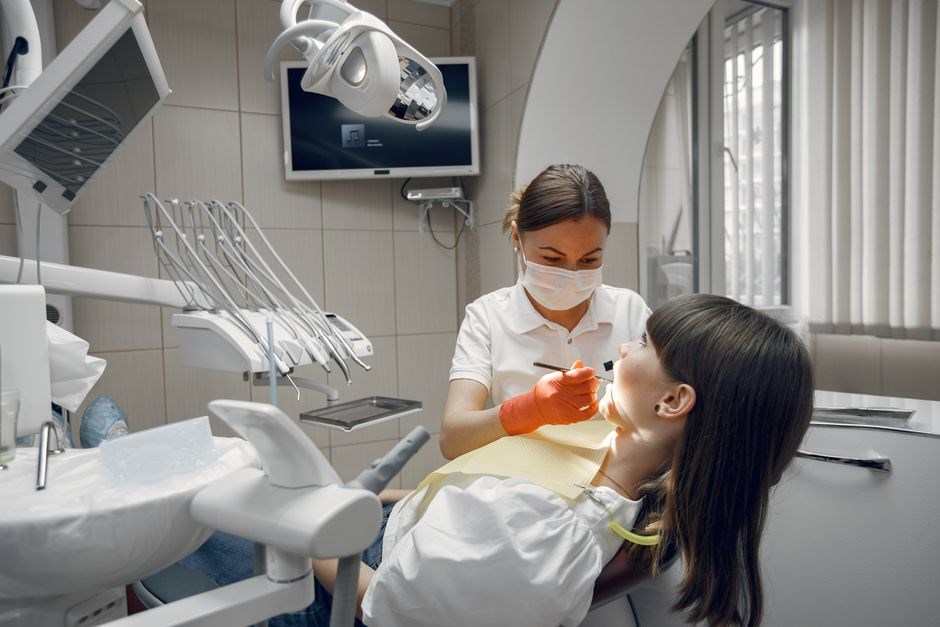
Explore Dentalelle’s comprehensive bundle: ATDH prep, full‑length practice tests, video answers, and interactive modules. Online resources feature color radiographs, case studies, and step‑by‑step explanations to reinforce exam concepts. Includes downloadable flashcards and a mobile on‑the‑go review.
Dentalelle and ATDH Prep Courses
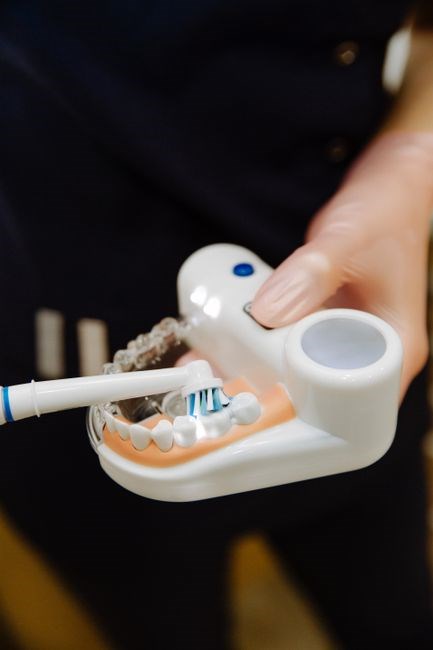
Dentalelle’s ATDH preparation program offers a structured curriculum that aligns with the National Board Dental Hygiene Exam (NBDHE) requirements; The course includes comprehensive modules on oral anatomy, periodontal disease, oral health promotion, and patient care protocols. Interactive video lessons provide step‑by‑step demonstrations of clinical techniques, while detailed answer explanations reinforce critical thinking. Students gain access to full‑length practice exams that mirror the paper‑and‑pencil format of the national board, allowing them to gauge readiness and identify knowledge gaps. Additionally, the bundle offers color radiographs, case studies, and flashcards for rapid review. The platform’s adaptive learning system tracks progress, highlights weak areas, and recommends targeted study sessions. By integrating evidence‑based content with real‑world scenarios, Dentalelle equips candidates to achieve high scores and confidently navigate the exam day. Students also benefit from a curated library of peer‑reviewed journal articles, interactive case‑based modules, and a mobile app that delivers daily micro‑learning quizzes, ensuring continuous engagement and mastery of complex concepts. The curriculum also incorporates evidence‑based practice guidelines, allowing students to apply theoretical knowledge to real‑world patient scenarios, thereby enhancing critical decision‑making skills fostering lifelong learning habits.
Online Practice Tests and Video Answers
Online practice tests are a cornerstone of dental hygiene exam preparation, offering realistic question banks that mirror the National Board Dental Hygiene Exam format. These tests provide instant feedback, allowing students to identify weak areas and track progress over time. Video answers accompany each question, breaking down the reasoning process step by step. Instructors explain key concepts, illustrate clinical decision‑making, and demonstrate how to apply evidence‑based guidelines to patient scenarios; The platform hosts a library of over 1,200 timed practice questions, covering oral anatomy, periodontal disease, oral health promotion, and patient management. Each video answer is concise, typically 90‑120 seconds, and focuses on the most critical points to avoid information overload. Students can replay segments, pause for note‑taking, and compare their responses with expert solutions. Additionally, the system offers adaptive learning pathways that adjust difficulty based on performance, ensuring that learners are consistently challenged. By integrating multimedia explanations with rigorous testing, students develop both confidence and competence, positioning them for success on exam day.
The platform’s algorithm tracks responses, providing analytics that highlight misconceptions and suggest targeted review modules. Users can set goals, receive reports, and engage in discussion forums to reinforce learning. This holistic approach ensures candidates master factual knowledge and refine critical reasoning skills for clinical practice.
Additional Tutoring and Support
Students seeking extra help can access personalized tutoring through Dentalelle’s online platform, featuring exam‑strategy coaching. Mentors guide learners through complex topics, offer feedback on practice exams, and help build confidence for board success. now.
Exam Day Success Tips
Arrive early to allow time for check‑in, parking, and a calm mindset. Bring all required documents: ID, exam confirmation, and a small snack. Read each question carefully, noting keywords that signal the correct answer. Use the process of elimination to narrow choices. Keep an eye on the clock, allocating roughly 1 minute per question to maintain pace. Stay hydrated; a small water bottle helps focus. Take short mental breaks by closing your eyes for 10 seconds to reset. Review the exam instructions before starting to avoid missteps. After completing, double‑check your answers if time permits. Finally, maintain a positive attitude—confidence boosts accuracy. Remember to breathe, stay relaxed, and trust your preparation. Use the checklist provided by the exam board to verify you have all necessary items before entering the testing room. Bring a pen, pencil, and a small notepad for quick notes. During the exam, read each question aloud silently. If you encounter a particularly challenging item, mark it and return to it after you finish easier questions. Remember that the exam is designed to assess your critical thinking, recall;OK clinical reasoning to each scenario. Keep track of time by noting the number of questions answered per minute; if you fall behind, adjust by skipping a few questions temporarily and revisiting them later. After the exam, take a few minutes to review your answers mentally, but do not spend excessive time on any single question. Finally, after the test, celebrate your hard work and reflect on areas for future improvement