What Is Manga?
Manga, Japan’s comic medium, fuses striking visuals with narrative depth. From ancient scrolls to today’s serialized volumes, it shapes global pop culture, influencing fashion, film, and animation. Its dynamic pacing draws readers of all ages worldwide for fans in.
1.1 Definition and Cultural Significance
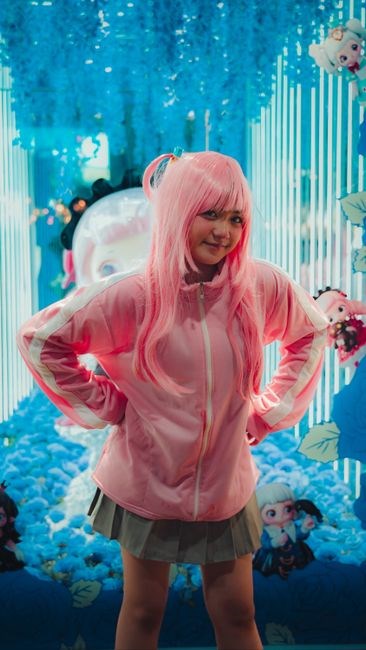
“Manga” is the Japanese term for comics and graphic novels, a medium that blends vivid illustration with concise storytelling. Originating in the 12th‑century scrolls of the “emaki,” it evolved through Meiji‑era woodblock prints and post‑war serialized magazines to become the global phenomenon it is today. Each page is a carefully composed frame, often printed in black‑and‑white to emphasize line work, yet the narrative rhythm can be as fast as a sports broadcast or as lingering as a quiet conversation. Manga’s cultural significance is multifaceted. In Japan, it is a daily cultural touchstone, reflected in school curricula, corporate branding, and even public transportation art. Internationally, it has reshaped the comic book industry, inspiring adaptations into anime, live‑action films, and video games, and fostering a worldwide fan community that participates in cosplay, fan art, and conventions. Economically, the manga industry generates billions in revenue, with major publishers like Shueisha, Kodansha, and Shogakukan dominating the market. Socially, manga offers diverse voices, from mainstream shōnen and shōjo titles to niche seinen and josei works that explore complex themes such as identity, politics, and gender. Its accessibility—available in print, digital, and translated editions—has democratized storytelling, allowing readers of all ages and backgrounds to engage with narratives that reflect both universal human experiences and uniquely Japanese perspectives. Moreover, manga’s influence extends into academia, where scholars analyze its visual rhetoric and socio‑historical context, cementing its role as a cultural artifact.!!!!!!
1.2 Historical Evolution
From the 12th‑century emakimono scrolls that narrated courtly tales, manga has journeyed through Japan’s turbulent history. The Edo period’s woodblock prints, such as the “Kōshō” series, introduced mass‑printed narrative art, while the Meiji era’s Western influences spurred the first serialized magazines like Shōnen Gahō. Post‑World War II, Osamu Tezuka—often called the “God of Manga”—redefined visual storytelling with dynamic panels, expressive characters, and cinematic pacing. The 1960s and 70s saw the rise of dedicated magazines (e.g., Shōnen Jump, Shōjo Comic), creating distinct demographic niches. By the 1980s, manga’s global footprint expanded; translations appeared in Europe and North America, and the medium influenced Western comics, video games, and anime. Technological shifts in the 1990s introduced digital illustration tools, while the 2000s’ internet boom birthed online platforms like Pixiv, enabling fan‑art and self‑publishing. Today, manga continues to evolve—blending traditional hand‑drawn techniques with digital art, exploring new genres, and engaging a worldwide audience through streaming adaptations and cross‑media collaborations. This dynamic evolution reflects Japan’s cultural resilience and its ability to adapt storytelling to changing technologies and societal values. —a boom of!
Manga Demographics and Genres
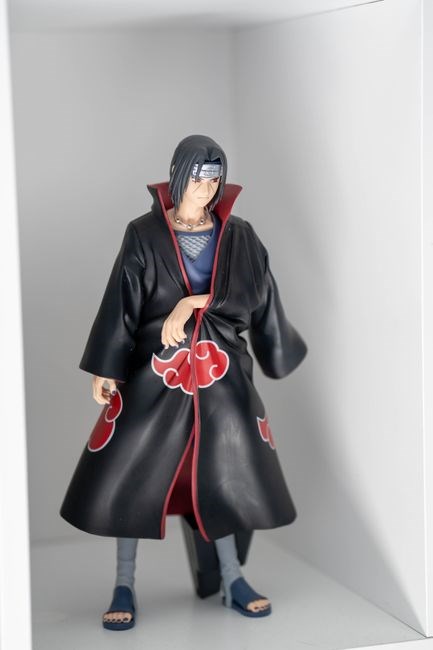
Japanese comics are divided into four demographics: Shonen, energetic boys’action like One Piece; Shojo, romance for girlssuch as Vampire Knight; Seinen, mature men’s tales like Berserk; Josei, adult women’s storiessuch as Bunny Drop.
2.1 Shonen—Youthful Action for Boys
Shonen manga, aimed at teenage boys, thrives on high‑energy plots, dynamic battles, and clear moral arcs. Classic examples include Dragon Z, One Piece, and Naruto, each featuring a protagonist who overcomes adversity through perseverance and teamwork. The genre’s visual style emphasizes exaggerated expressions, rapid panel transitions, and kinetic action sequences that keep readers engaged. Themes often revolve around friendship, ambition, and the pursuit of a personal dream, while side‑stories explore school life, sports, and supernatural adventures. Shonen titles are typically serialized in weekly magazines such as Shonen Jump or Shonen Magazine, allowing authors to test story beats with immediate feedback. The pacing is fast, with cliffhangers at the end of chapters, encouraging binge‑reading. Modern shonen has expanded to include psychological depth and complex world‑building, as seen in Attack on Titan and My Hero Academia, yet the core appeal remains the same: an energetic journey that inspires readers to chase their own goals. Fans appreciate the dynamic art and the emotional depth!!!!!
2.2 Shojo—Romance for Young Women
Shojo manga, tailored for teenage girls, centers on heartfelt relationships, personal growth, and everyday drama. Classic titles such as Orange, From Me To You, and Vampire Knight showcase protagonists navigating love, friendship, and self‑discovery. The art style emphasizes delicate lines, expressive eyes, and soft color palettes to convey emotion. Storylines often unfold in school settings, family homes, or small towns, allowing readers to relate to the characters’ challenges. Themes include first crushes, sibling bonds, and the search for identity, while subtle subplots may touch on career aspirations or cultural traditions. Shojo frequently employs a slower pacing than shonen, with chapters that explore inner thoughts and dialogue, creating an intimate reading experience. Despite its focus on romance, many series blend genres—fantasy, mystery, or slice‑of‑life to broaden appeal. The genre’s popularity extends beyond its target demographic, attracting fans of all ages who appreciate the nuanced storytelling and beautiful artwork. Moreover, shojo frequently intertwines music and fashion, reflecting everyday youth culture and offering readers vignettes. The genre’s emotional resonance and artistic charm have inspired countless adaptations, from anime to live‑action dramas, cementing its place in contemporary storytelling.
2.3 Seinen—Adult Themes for Men
Seinen manga caters to adult male audiences, delivering sophisticated narratives that delve into psychological complexity, moral ambiguity, and often visceral realism. Classic titles such as Berserk, Tokyo Ghoul, and Vagabond exemplify the genre’s capacity to blend intense action with profound philosophical inquiry. The artwork in seinen is typically more detailed and realistic, emphasizing anatomical accuracy and dynamic compositions that heighten the emotional stakes. Storylines frequently explore themes of ambition, betrayal, and the human condition, featuring protagonists who confront ethical dilemmas and personal demons. The genre also embraces darker humor and existential dread, offering a nuanced portrayal of love, loss, and resilience. While graphic violence and erotic content are present, they serve to underscore thematic depth rather than merely shock. Seinen’s mature perspective attracts readers seeking narratives that challenge conventional heroism and explore the complexities of adulthood. The demographic’s appetite for intricate plots has spurred numerous adaptations into anime, live‑action films, and international releases, expanding its global reach. Creators enjoy artistic freedom to tackle controversial subjects, making seinen a vital component of the manga ecosystem that continues to evolve with cultural shifts and reader expectations. Seinen incorporates philosophical musings that prompt reflection. Its nuanced character development resonates with readers. Seinen’s influence on storytelling is undeniable!!.
2.4 Josei—Mature Stories for Women
Josei manga targets adult women, offering narratives that reflect real‑world relationships, career challenges, and emotional growth. Unlike the light romance of shojo, josei explores nuanced love triangles, workplace dynamics, and the complexities of family life. Popular titles such as Bunny Drop, Nodame Cantabile, and Paradise Kiss showcase protagonists navigating motherhood, artistic ambition, and fashion industry pressures. The art style often leans toward subtle realism, with expressive faces that capture subtle shifts in mood. Themes of self‑discovery, identity, and societal expectations are woven into story arcs that span multiple volumes, allowing readers to witness gradual character development. Josei frequently tackles mature topics—career setbacks, financial independence, and the balance between personal fulfillment and social obligations—presented with honesty and empathy. The genre’s appeal lies in its relatability; readers see their own struggles mirrored in the pages, fostering a sense of community. Adaptations into anime and live‑action dramas have broadened its reach, attracting international audiences who appreciate the genre’s depth. By providing a platform for women’s voices, josei enriches the manga landscape with stories that celebrate resilience, ambition, and the everyday triumphs of adult life. Enjoy now!
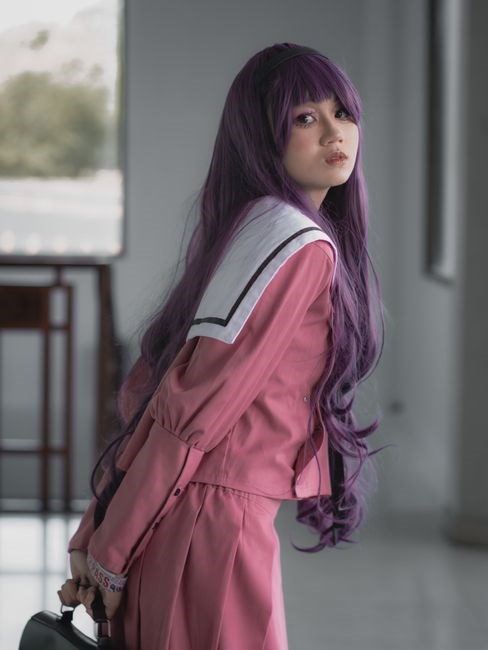
How to Start Reading Manga
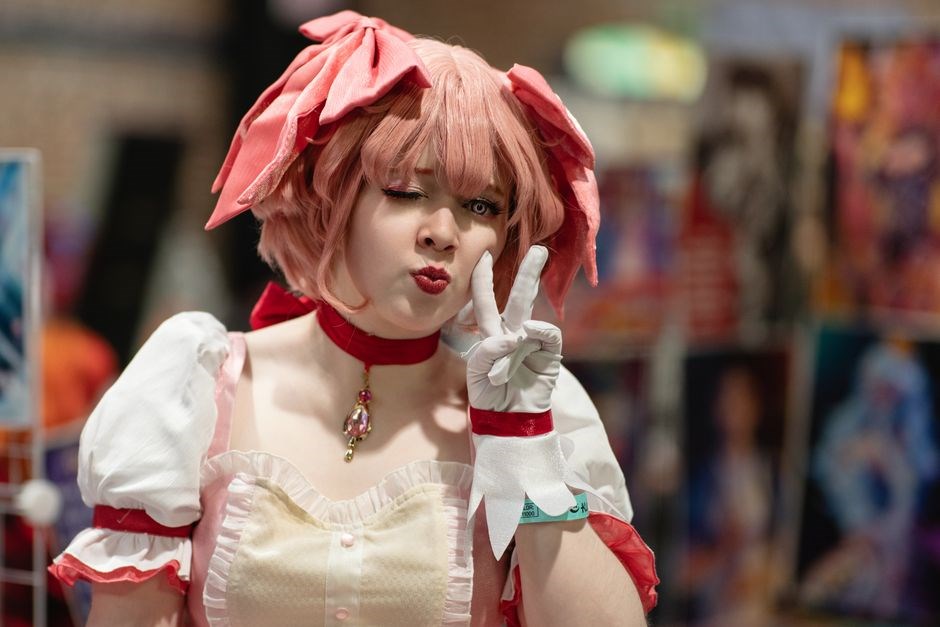
Begin by picking a light, accessible series. Look for titles with clear art and simple plots, such as Yotsuba+ or My Hero Academia. Check official translations for quality, then enjoy the journey! Start now, enjoy!
3.1 Selecting a Beginner-Friendly Title
Choosing a first manga can feel daunting, but a few simple rules help you find a title that’s engaging and easy to follow. Look for series that start with a clear premise and a single protagonist—stories like Yotsuba+ or My Hero Academia introduce characters and settings early, making it simple to jump in. Pick works with straightforward art and minimal background clutter; titles such as Yotsuba+ and One Punch Man use bold lines and bright colors that keep the focus on the action. Avoid titles that rely heavily on cultural references or complex plot twists; early chapters of Orange or From Me To You build slowly and explain context as the story progresses. Choose series with a limited number of volumes—short arcs let you finish a story quickly, encouraging new readers. Always check that the manga is officially licensed and translated; fan translations can be inconsistent, while official releases ensure accurate dialogue and proper pacing. By following these guidelines, you’ll find a beginner-friendly title that opens the door to the rich world of manga. If you’re new, consider starting with a one-volume anthology like Rurouni Kenshin or Dragon Ball, which offer self-contained stories. Enjoy the journey, let art guide you!
3.2 Recommended Starter Series
Choosing the right starter series sets the tone for your manga journey. Below are titles that blend accessible storytelling, vibrant art, and universal themes, making them ideal for newcomers. 1. Yotsuba+ – A slice‑of‑life comic following a curious five‑year‑old girl. Its gentle humor, clear panel layout, and episodic structure allow readers to jump in at any point. 2. My Hero Academia – A contemporary superhero saga that balances action with character growth. The series introduces a clear hero system early, and each volume contains self‑contained arcs that keep the pace brisk. 3. One Punch Man – A parody of the shonen formula, this series offers fast‑paced battles and a protagonist who overcomes boredom. Its straightforward art style and humor make it approachable. 4. Fruits Basket – A romance‑driven story with a supernatural twist. The narrative is linear, and the emotional stakes are relatable, allowing readers to connect quickly. 5. Attack on Titan – Though darker, its early volumes are clear and action‑oriented, with a central mystery that hooks readers. The world‑building is introduced gradually, preventing overwhelm. 6. Dragon Ball – A classic shonen that starts with a simple premise: a boy with a tail seeks adventure. The early chapters are light on exposition, focusingonfunfightsandfriendship.
Reading Formats and Accessibility
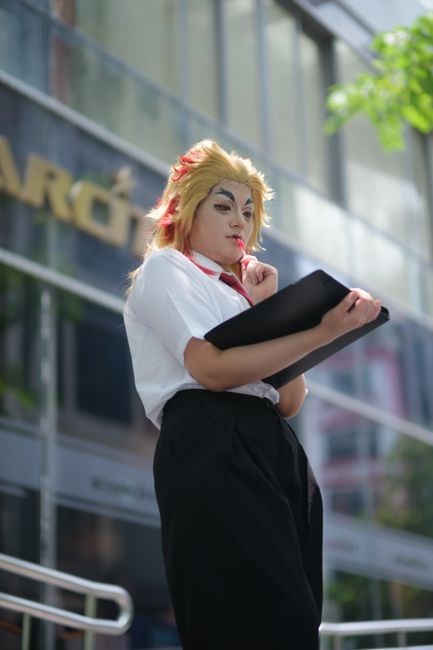
Readers choose between physical volumes, offering tactile joy, collectibility, and digital releases, providing instant access and adjustable speeds; Official translations guarantee quality, while fan‑translated versions deliver faster availability with variable accuracy.

4.1 Physical Volumes vs Digital Releases
Physical volumes—hardcovers, paperbacks, and special editions—offer tactile satisfaction, collectible value, and a sense of ownership that digital files lack. They preserve original artwork, color fidelity, and allow fans to display or trade. They require storage space, incur shipping costs, and may be out of print, limiting accessibility for new readers. Digital releases, on the other hand, provide instant global distribution, adjustable text size, and interactive features such as bookmarking and note‑taking. They reduce environmental impact by eliminating paper and shipping, and often include price‑discounted bundles. Yet digital copies can suffer from piracy, lack the physical presence cherished by collectors, and may face compatibility issues across devices. Ultimately, the choice hinges on reader preference: collectors favor the permanence and sensory experience of print, while casual readers and those seeking convenience lean toward digital. Many publishers now offer simultaneous releases, allowing fans to enjoy both formats and ensuring broader reach across diverse audiences. Readers often compare the experience of a printed volume with the convenience of a digital copy, noting that the former offers a sense of permanence and value, while the latter provides access, adjustable font sizes, annotations enhance immersion for very tech today audiences. Ok.
4.2 Official Translations vs Fan‑Translated Versions
Official translations are licensed, edited, and often include localization that respects cultural nuances. They provide accurate dialogue, preserve author intent, and are released through reputable publishers, ensuring legal distribution and supporting creators. Fan translations, produced by volunteers, translate text from the original Japanese. They offer immediate access to titles that may not yet be licensed in a region, and they often release chapters ahead of official schedules. However, fan translations can suffer from inconsistent quality, rushed edits, and occasionally inaccurate representation of tone or meaning. They also pose legal risks for readers and contributors, as they infringe on copyright. The choice between the two depends on a reader’s priorities: those who value authenticity and legal support may prefer official releases, while those seeking the most up‑to‑date content or titles unavailable in their language may turn to fan translations. Ultimately, supporting official translations helps sustain the industry, whereas fan translations serve as a bridge for enthusiasts during gaps in licensing.
- Official: accurate, legal, supports creators.
- Fan: fast, free, community‑driven.
When choosing, consider licensing status, support for creators, and the desire for current chapters. Many readers use a hybrid approach: fan translations for new releases, official editions for completed series to ensure quality and legality.
Building Your Manga Collection
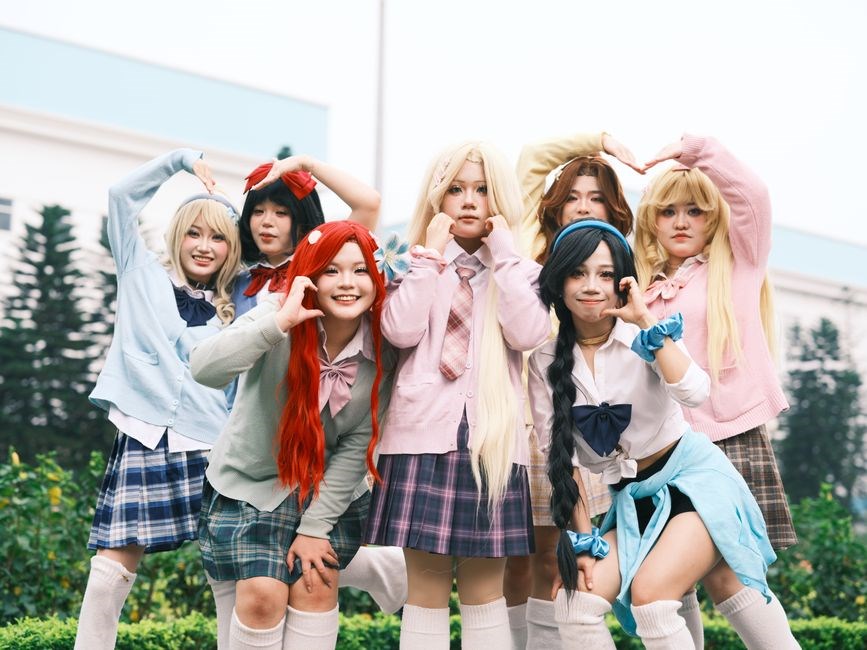
Curating a manga library blends passion and practicality. Start with core titles, diversify by genre, track editions. Use dedicated shelves or digital folders, label volumes, note publication dates. Regularly review and swap duplicates to keep fresh. Keep it tidy. OK
5.1 Collecting Strategies for Fans
Building a manga library is as much an art as a hobby. Start by defining a budget and a focus—whether you chase first‑print editions, limited‑run art books, or a balanced mix of popular titles and hidden gems. Research reputable vendors; online marketplaces, specialty comic shops, and official publisher sites often offer signed copies or exclusive variants that can become valuable over time. Keep an eye on release schedules; pre‑ordering a highly anticipated series can secure you a copy before it sells out, and early volumes frequently appreciate in value. Use price‑tracking tools community forums to stay informed about market trends; this helps you decide when to buy, hold, or sell. When acquiring physical volumes, inspect each book for damage—scratches, watermarks, or loose pages—since condition directly affects resale potential. Store your collection in a climate‑controlled environment; humidity and temperature fluctuations can warp paper and fade ink. Shelving solutions such as padded boxes or anti‑static sleeves protect against dust and light exposure. Digitally, maintain a catalog with details like ISBN, publisher, edition, and condition; this aids management and helps spot duplicates. Finally, consider joining a community of collectors—online groups or local clubs—where you can trade, swap, and learn from seasoned enthusiasts.
5.2 Organizing and Archiving Digital Files
Digital manga offers instant access, but without a clear system it can quickly become a cluttered archive. Start by choosing a consistent folder hierarchy: main genre folders (Shonen, Shojo, Seinen, Josei) with subfolders for series, then individual volumes. Use a naming convention that includes the series title, volume number, and release year, e.g., “One‑Piece‑Vol‑001‑2024;pdf”. This format keeps files sortable and searchable across operating systems. For metadata, embed tags such as author, publisher, and language into the PDF or use a companion database like Calibre. Calibre’s library function lets you tag, rate, and add notes, making it easy to locate a specific chapter or compare editions. Back up your collection regularly; cloud services (Google Drive, Dropbox) or external hard drives provide redundancy. Automate backups with scripts that copy new files to a backup folder and verify integrity. When storing large volumes, consider compression formats that preserve quality, such as ZIP or 7z, and keep a master uncompressed copy for archival purposes. Finally, create a digital reading list: a simple spreadsheet or note app that tracks what you’ve read, what’s next, and any personal annotations. This organized approach not only protects your investment but also enhances the reading experience by allowing quick retrieval and cross‑referencing of titles. Storing PDFs in a cloud backup ensures you never lose a volume, if your local drive fails!